
What Is Temporomandibular Joint Disorder? | Ottowa Dentist

blonde woman smiling

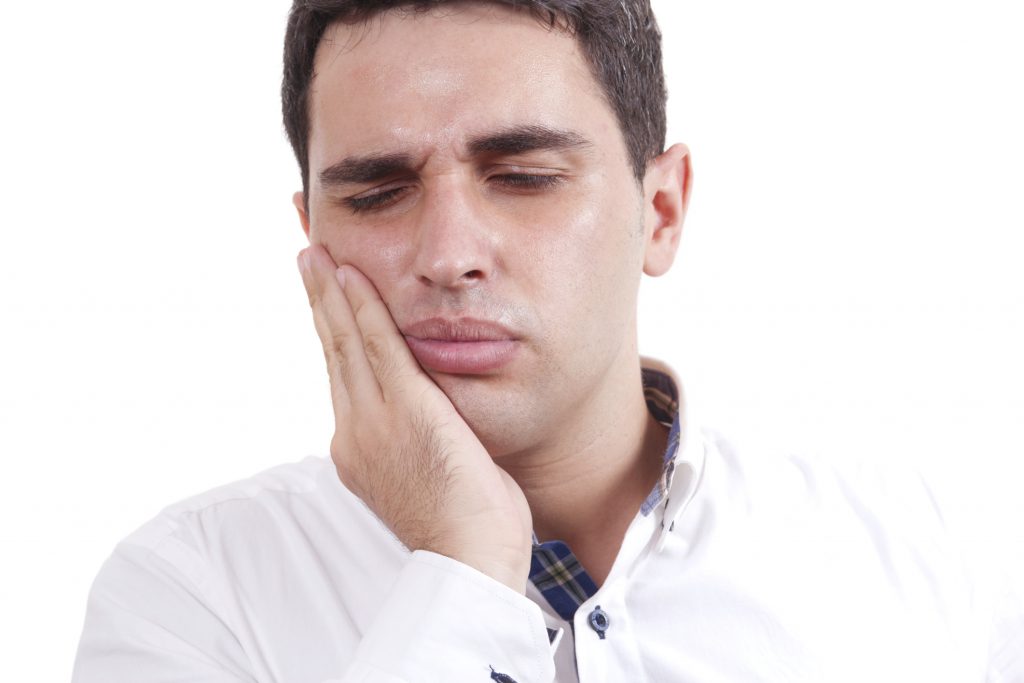
Temporomandibular Joint (TMJ) disorder is a condition that affects the jaw joints and muscles controlling jaw movement. The temporomandibular joints, located on each side of the head in front of the ears, connect the lower jawbone (mandible) to the skull. These joints allow the jaw to move smoothly up and down and side to side, making it possible to talk, chew, and yawn. TMJ disorder can cause significant discomfort and interfere with these daily activities. Here’s an overview of TMJ disorder, its symptoms, causes, and treatment options:

Symptoms of TMJ Disorder:

  1. Jaw Pain: Persistent pain or tenderness in the jaw is a common symptom of TMJ disorder. This pain can also extend to the face, neck, and shoulders.
  • Difficulty Chewing: Pain or discomfort while chewing or biting can indicate TMJ issues.
  • Clicking or Popping Sounds: Hearing a clicking, popping, or grating sound when opening or closing the mouth is a typical sign of TMJ disorder. While these sounds are common, they are not always accompanied by pain.
  • Locked Jaw: A sensation of the jaw getting stuck or locked in an open or closed position can be a symptom of TMJ disorder.
  • Ear Pain: TMJ issues can cause ear pain or a feeling of fullness in the ears, even without an ear infection.
  • Headaches: Chronic headaches or migraines can be associated with TMJ disorder.

Causes of TMJ Disorder:

The exact cause of TMJ disorder is often difficult to determine, but several factors can contribute, including:

  1. Jaw Injury: Trauma to the jaw or head can lead to TMJ disorder.
  • Arthritis: Osteoarthritis or rheumatoid arthritis in the TMJ can cause symptoms.
  • Teeth Grinding: Chronic teeth grinding (bruxism) or clenching puts excessive pressure on the TMJ.
  • Stress: High levels of stress can lead to muscle tension and jaw clenching, exacerbating TMJ symptoms.
  • Misalignment: Malocclusion or improper alignment of the teeth and jaw can contribute to TMJ disorder.

Treatment Options:

  1. Lifestyle Changes: Reducing stress, avoiding hard or chewy foods, and practicing jaw relaxation techniques can help alleviate symptoms.
  • Medication: Over-the-counter pain relievers, anti-inflammatory drugs, and muscle relaxants can provide relief.
  • Dental Appliances: Mouthguards or splints can help reduce teeth grinding and jaw clenching.
  • Physical Therapy: Exercises to strengthen and stretch jaw muscles can improve function and reduce pain.
  • Surgery: In severe cases, surgical interventions may be necessary to correct TMJ issues.

If you experience persistent jaw pain, clicking sounds, or other symptoms of TMJ disorder, it’s essential to consult with a healthcare professional. Early diagnosis and treatment can help manage the condition effectively, improving your quality of life and preventing further complications. Regular dental check-ups and adopting healthy habits can also contribute to maintaining optimal jaw health.

Schedule your appointment today. Call Dr. Katia Doumit in Ottawa, Ontario at 613-232-8000 or visit www.urbandentalcentre.com. Dr. Doumit proudly serves Ottawa and all surrounding areas.

Understanding Common Diseases and Oral Health | Ottawa Dentist

vegetables in the shape of a heart

Oral health is often perceived as separate from overall health, but the truth is that the condition of your mouth can have a significant impact on the rest of your body. The mouth serves as a gateway to your body, and maintaining oral hygiene is crucial in preventing a host of common diseases. This blog explores the intricate connection between oral health and systemic health, highlighting the importance of regular dental care.

Cardiovascular Disease

One of the most significant connections between oral health and systemic health is the link to cardiovascular disease. Studies have shown that individuals with periodontal (gum) disease are at a higher risk of heart disease. The inflammation caused by periodontal disease can lead to the development of atherosclerosis, a condition where plaque builds up in the arteries, potentially leading to heart attacks and strokes. The bacteria from gum disease can also enter the bloodstream, causing inflammation and narrowing of blood vessels, further increasing cardiovascular risk.

Diabetes

Diabetes and oral health have a bidirectional relationship. Poor oral health can make it difficult to control blood sugar levels, while high blood sugar levels can contribute to the development of gum disease. People with diabetes are more susceptible to infections, including periodontal disease, due to a compromised immune system. Conversely, severe periodontal disease can increase blood sugar levels, making diabetes management more challenging.

Respiratory Infections

Oral health can also impact respiratory health. Bacteria from the mouth can be inhaled into the lungs, leading to respiratory infections such as pneumonia, especially in individuals with compromised immune systems or the elderly. Maintaining good oral hygiene can reduce the bacterial load in the mouth, thereby decreasing the risk of respiratory infections.

Pregnancy Complications

Pregnant women with poor oral health are at a higher risk of pregnancy complications, including preterm birth and low birth weight. Inflammatory responses from periodontal disease can release harmful bacteria and inflammatory mediators into the bloodstream, potentially affecting the developing fetus. Pregnant women should prioritize dental care to ensure both their health and the health of their baby.

The connection between oral health and overall health underscores the importance of regular dental check-ups and maintaining good oral hygiene. Brushing and flossing daily, alongside routine visits to the dentist, are essential practices to prevent oral diseases that can have far-reaching impacts on your overall health. By taking care of your mouth, you’re investing in your entire body’s well-being.

Schedule your appointment today. Call Dr. Katia Doumit in Ottawa, Ontario at 613-232-8000 or visit www.urbandentalcentre.com. Dr. Doumit proudly serves Ottawa and all surrounding areas.
Flossing: What to Expect When You Start Again | Ottawa Dentist

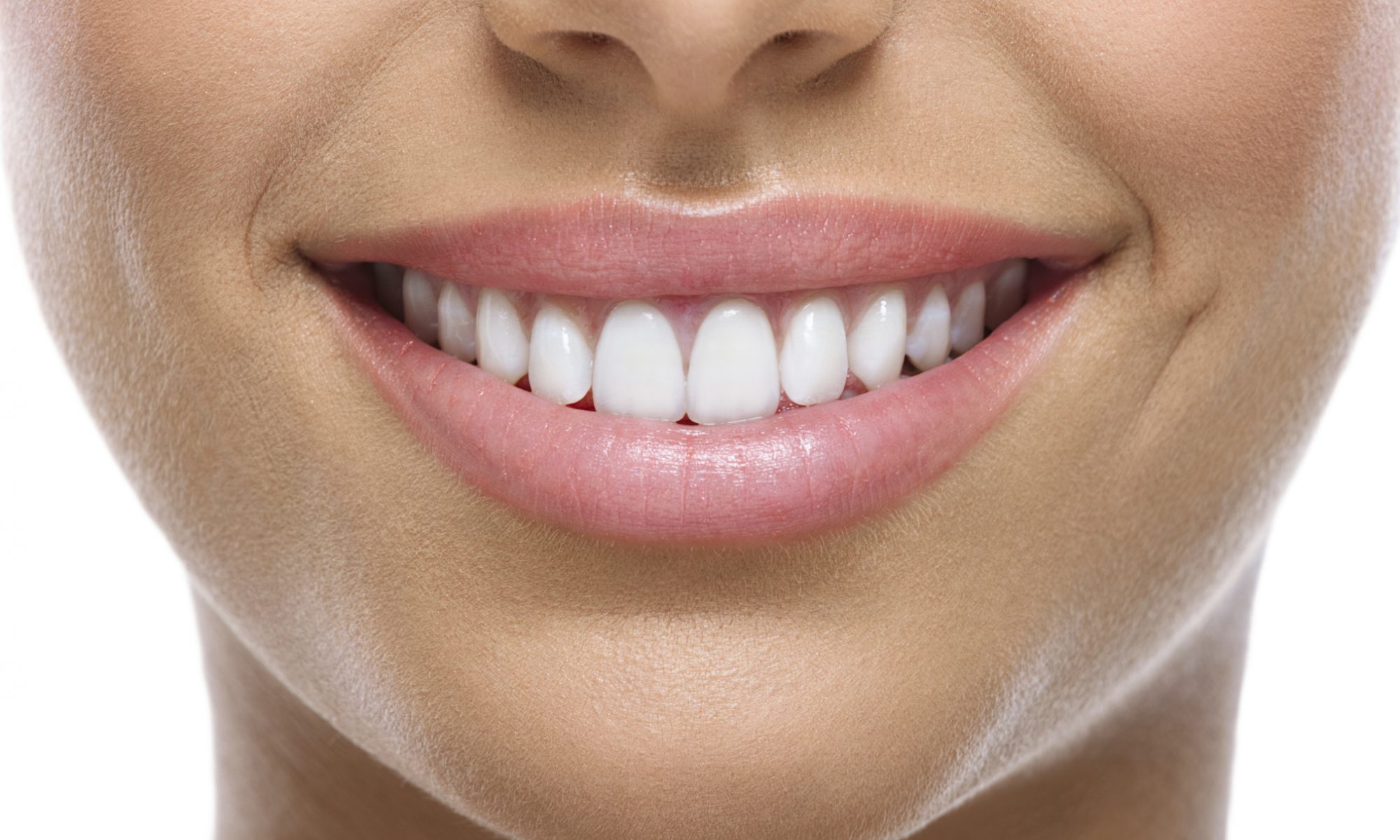
woman smiling up close

If you’ve fallen out of the habit of flossing, you’re not alone. Many people struggle to maintain a consistent oral hygiene routine. However, starting to floss again can feel daunting. Understanding what to expect can help ease you back into this essential habit and ensure your gums and teeth stay healthy.

Initial Discomfort and Sensitivity

When you first resume flossing, it’s common to experience some discomfort. Your gums may feel tender or even bleed slightly. This happens because your gums have become inflamed from plaque buildup. Don’t be discouraged; this is a sign that your gums need the extra attention. With regular flossing, the inflammation and sensitivity should decrease within a week or two.

The Awkward Learning Curve

Reestablishing the flossing habit can feel awkward at first. You might find it tricky to maneuver the floss between your teeth, especially if it’s been a while. Take your time and be gentle. Consider using tools like floss picks or water flossers, which can make the process easier and more comfortable.

Noticing the Benefits

As you continue to floss daily, you’ll start noticing significant benefits. Your breath will improve as you remove food particles and plaque that brushing alone can’t reach. Your gums will become healthier and less prone to bleeding. Flossing also helps prevent cavities and gum disease by cleaning between the teeth where toothbrushes can’t reach.

Building the Routine

Like any habit, flossing becomes easier with consistency. Set a specific time each day to floss, such as after brushing your teeth in the evening. Associating flossing with another routine activity can help reinforce the habit. You might also keep floss in visible places as a reminder, such as next to your toothbrush or in your bag for on-the-go flossing.

Overcoming Mental Barriers

The idea of flossing daily might feel overwhelming at first, but focus on the long-term benefits. Visualize the positive outcomes, such as a healthier smile and fewer dental issues. Remember, you don’t have to be perfect. Even flossing a few times a week is better than not flossing at all.

Conclusion

Starting to floss again after a hiatus can be challenging, but the benefits far outweigh the initial discomfort. With patience and persistence, flossing will soon become a natural part of your daily routine, contributing to your overall oral health and well-being. Embrace the journey, and your gums and teeth will thank you.

Schedule your appointment today. Call Dr. Katia Doumit in Ottawa, Ontario at 613-232-8000 or visit www.urbandentalcentre.com. Dr. Doumit proudly serves Ottawa and all surrounding areas.
White Spots on Teeth: Causes and Corrections | Ottawa Dentist

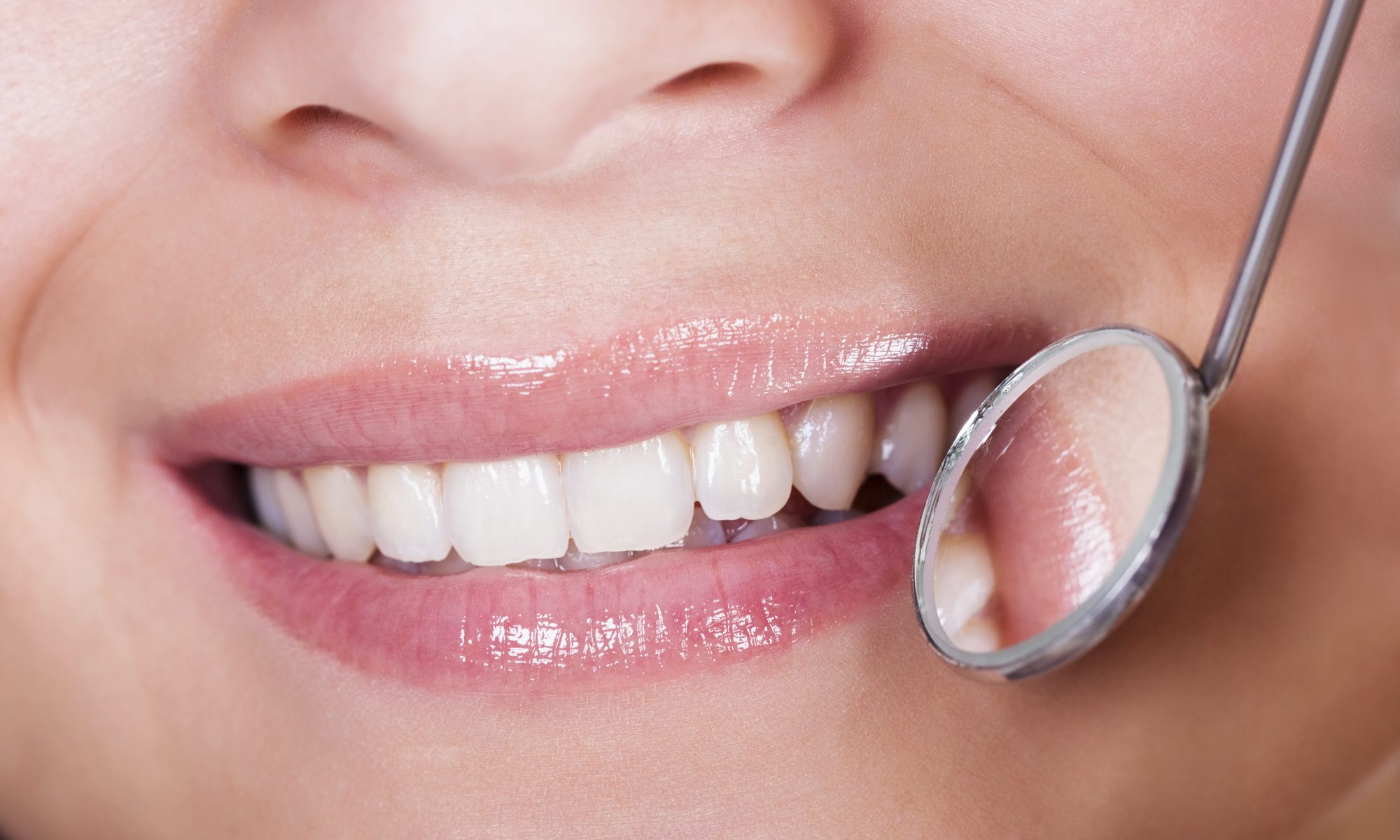
up close smile with dental mirror

White spots on teeth can be a cause for concern for many people. These spots, which appear as chalky white or opaque patches on the enamel, can be indicative of underlying dental issues. Understanding what these white spots mean, their causes, and how to correct them is essential for maintaining a healthy and attractive smile.

What Do White Spots on Teeth Mean?

White spots on teeth, also known as enamel hypoplasia or hypocalcification, often indicate a disruption in the normal development or health of tooth enamel. These spots can vary in size and location, and while they are generally harmless, they can affect the aesthetics of your smile and may be a sign of potential dental problems.

Causes of White Spots on Teeth

Several factors can contribute to the formation of white spots on teeth:

  1. Fluorosis: Excessive fluoride intake during the early years of tooth development can lead to fluorosis, resulting in white spots. This can occur from consuming too much fluoridated water, toothpaste, or supplements.
  2. Poor Oral Hygiene: Inadequate brushing and flossing can cause plaque buildup, leading to decalcification and the appearance of white spots, especially around orthodontic brackets and along the gum line.
  3. Dietary Factors: A diet high in acidic or sugary foods and drinks can erode enamel, leading to white spots. Acidic foods and drinks like citrus fruits, soda, and wine can wear down the enamel, making it more susceptible to damage.
  4. Enamel Hypoplasia: This condition occurs when there is a defect in the formation of enamel, often due to genetic factors, illness, or malnutrition during tooth development. It results in thinner, weaker enamel that appears as white spots.

How to Correct White Spots on Teeth

There are several methods to correct white spots on teeth, depending on their cause and severity:

  1. Improved Oral Hygiene: Regular brushing with fluoride toothpaste, flossing, and professional dental cleanings can help prevent further decalcification and improve the appearance of minor white spots.
  2. Fluoride Treatments: Professional fluoride treatments can strengthen enamel and reduce the visibility of white spots.
  3. Microabrasion: This cosmetic procedure involves removing a thin layer of enamel to reduce or eliminate the appearance of white spots.
  4. Teeth Whitening: Whitening treatments can help blend white spots with the surrounding tooth enamel, making them less noticeable.
  5. Veneers or Bonding: For more severe cases, dental veneers or bonding can provide a long-lasting solution by covering white spots and improving the overall appearance of the teeth.

Consulting with a dental professional is crucial if you notice white spots on your teeth. They can determine the cause and recommend the most appropriate treatment to restore your smile’s health and beauty.

Schedule your appointment today. Call Dr. Katia Doumit in Ottawa, Ontario at 613-232-8000 or visit www.urbandentalcentre.com. Dr. Doumit proudly serves Ottawa and all surrounding areas.

Embracing the Flossing Habit: What to Expect When You Start Again | Ottawa Dentist

woman smiling up close

If you’ve fallen out of the habit of flossing, you’re not alone. Many people struggle to maintain a consistent oral hygiene routine. However, starting to floss again can feel daunting. Understanding what to expect can help ease you back into this essential habit and ensure your gums and teeth stay healthy.

Read more: Embracing the Flossing Habit: What to Expect When You Start Again | Ottawa Dentist

Initial Discomfort and Sensitivity

When you first resume flossing, it’s common to experience some discomfort. Your gums may feel tender or even bleed slightly. This happens because your gums have become inflamed from plaque buildup. Don’t be discouraged; this is a sign that your gums need the extra attention. With regular flossing, the inflammation and sensitivity should decrease within a week or two.

The Awkward Learning Curve

Reestablishing the flossing habit can feel awkward at first. You might find it tricky to maneuver the floss between your teeth, especially if it’s been a while. Take your time and be gentle. Consider using tools like floss picks or water flossers, which can make the process easier and more comfortable.

Noticing the Benefits

As you continue to floss daily, you’ll start noticing significant benefits. Your breath will improve as you remove food particles and plaque that brushing alone can’t reach. Your gums will become healthier and less prone to bleeding. Flossing also helps prevent cavities and gum disease by cleaning between the teeth where toothbrushes can’t reach.

Building the Routine

Like any habit, flossing becomes easier with consistency. Set a specific time each day to floss, such as after brushing your teeth in the evening. Associating flossing with another routine activity can help reinforce the habit. You might also keep floss in visible places as a reminder, such as next to your toothbrush or in your bag for on-the-go flossing.

Overcoming Mental Barriers

The idea of flossing daily might feel overwhelming at first, but focus on the long-term benefits. Visualize the positive outcomes, such as a healthier smile and fewer dental issues. Remember, you don’t have to be perfect. Even flossing a few times a week is better than not flossing at all.

Conclusion

Starting to floss again after a hiatus can be challenging, but the benefits far outweigh the initial discomfort. With patience and persistence, flossing will soon become a natural part of your daily routine, contributing to your overall oral health and well-being. Embrace the journey, and your gums and teeth will thank you.

Schedule your appointment today. Call Dr. Katia Doumit in Ottawa, Ontario at 613-232-8000 or visit www.urbandentalcentre.com. Dr. Doumit proudly serves Ottawa and all surrounding areas.

Tooth Discoloration Is More Telling Than You May Think | Ottawa Dentist

woman drinking coffee can cause tooth discoloration

Maintaining proper oral health is not only crucial for a bright smile but also for overall well-being. One often overlooked indicator of improper oral health care is tooth discoloration. Discoloration can manifest in various ways, ranging from yellowing to brown spots, and can be a warning sign of underlying issues that demand attention.

Continue reading “Tooth Discoloration Is More Telling Than You May Think | Ottawa Dentist”

Common Dental Emergencies and What To Do | Ottawa Dentist

woman with dental pain

Dental emergencies happen and can occur at any time, anywhere. As with any emergency, its going to throw us into fight or flight mode, raising our cortisol levels and potentially even causing us to freeze in our tracks wondering what the best plan of action may be. If a dental emergency does happen, do your best not to panic, and keep the following information about what to do during a dental emergency in mind.

Continue reading “Common Dental Emergencies and What To Do | Ottawa Dentist”

What To Know About Oral Infections | Ottawa Dentist

man with jaw ache may cause oral infections

We all know that brushing our teeth for two minutes, twice a day along with regular dental visits contributes to positive oral health. You may not know the infections that can occur as a result of not practicing consistent oral hygiene routines. Here are some of the most common oral infections that may result from poor oral hygiene.

Continue reading “What To Know About Oral Infections | Ottawa Dentist”