
The Different Positions and Roles of Teeth | Ottawa Dentist

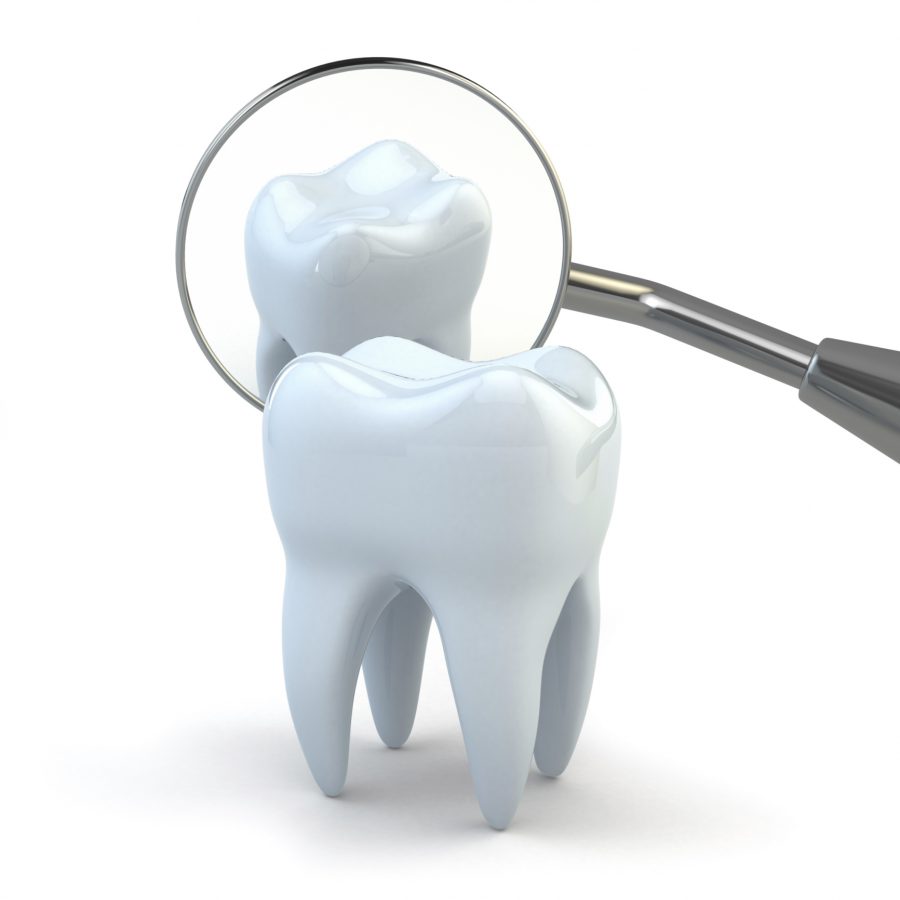
microscope looking at tooth

Each type of tooth in the human mouth plays a unique and essential role in maintaining proper oral function, digestion, and overall health. While teeth work together as a system, their shapes and positions determine how they perform specific tasks such as cutting, tearing, and grinding food.

Incisors are the front teeth, usually the first noticed when you smile. Adults typically have eight incisors—four on the top and four on the bottom. Their sharp, thin edges are designed for cutting and biting into food, such as fruits or sandwiches. Incisors also play a key role in speech, helping to form certain sounds, and they contribute significantly to the appearance of the smile.

Next to the incisors are the canines, also known as cuspids. There are four canines in total, two on the top and two on the bottom. Canines have pointed tips that make them ideal for tearing and gripping food, particularly tougher items like meat. They are also the longest teeth in the mouth and help guide the alignment of the bite, playing an important role in maintaining jaw stability.

Premolars, sometimes called bicuspids, are located behind the canines. Adults have eight premolars, four on each jaw. These teeth have flatter surfaces with ridges, allowing them to crush and begin grinding food. Premolars serve as a transition between the tearing function of canines and the heavy grinding function of molars.

Molars are the largest and strongest teeth, positioned at the back of the mouth. Most adults have twelve molars, including the wisdom teeth. Their broad, flat surfaces are designed for grinding food into smaller pieces, making it easier to swallow and digest. Molars absorb most of the force generated during chewing, which helps protect other teeth from excessive wear.

Together, these different types of teeth enable efficient chewing, clear speech, and proper digestion. Maintaining the health of each tooth type through good oral hygiene and regular dental visits ensures they can perform their roles effectively, supporting a healthy mouth and confident smile throughout life.

Schedule your appointment today. Call Dr. Katia Doumit in Ottawa, Ontario at 613-232-8000 or visit www.urbandentalcentre.com. Dr. Doumit proudly serves Ottawa and all surrounding areas.

The Function and Life of Wisdom Teeth | Ottawa Dentist

Wisdom teeth, also known as third molars, are the last set of teeth to develop, typically emerging between the ages of 17 and 25. While they were once essential for our ancestors—who relied on them to grind coarse, unprocessed foods—wisdom teeth today often create more problems than benefits due to changes in jaw size and modern diets.

In many people, there is not enough space in the jaw for wisdom teeth to erupt properly. As a result, they may become impacted, meaning they are trapped beneath the gums or grow at an angle. Impacted wisdom teeth can cause pain, swelling, jaw stiffness, and difficulty opening the mouth. They may also lead to infections if bacteria become trapped around partially erupted teeth.

Even when wisdom teeth do emerge, their position at the back of the mouth makes them difficult to clean effectively. This increases the risk of cavities, gum disease, and plaque buildup—not only on the wisdom teeth themselves, but also on neighboring teeth. In some cases, wisdom teeth can push against adjacent molars, contributing to crowding or damage to healthy teeth.

Dentists often recommend monitoring wisdom teeth during routine check-ups, usually with the help of dental X-rays. If problems are likely to occur, preventative removal may be advised, even before symptoms develop. Removing wisdom teeth at a younger age is generally easier and associated with faster healing, as the roots are not fully developed and the surrounding bone is more flexible.

Wisdom tooth extraction is a common and safe procedure when performed by a dental professional. After removal, patients may experience temporary swelling or discomfort, which can usually be managed with rest, cold compresses, and prescribed or over-the-counter pain relief. Following post-operative care instructions is essential to prevent complications such as dry socket or infection.

While not everyone needs their wisdom teeth removed, understanding their potential impact on oral health is important. Regular dental visits allow for early detection of issues, helping ensure that wisdom teeth—whether retained or removed—do not compromise long-term dental health.

Schedule your appointment today. Call Dr. Katia Doumit in Ottawa, Ontario at 613-232-8000 or visit www.urbandentalcentre.com. Dr. Doumit proudly serves Ottawa and all surrounding areas.
The Role and Importance of Saliva in Dental Health | Ottowa Dentist

older man smiling

Saliva is often overlooked, yet it plays a vital role in maintaining good oral and dental health. This clear, watery fluid produced by the salivary glands does far more than simply keep the mouth moist—it acts as one of the body’s first lines of defense against dental disease.

One of saliva’s most important functions is protecting teeth from decay. Every time we eat or drink, acids are produced in the mouth, especially after consuming sugary or starchy foods. These acids can erode tooth enamel, leading to cavities. Saliva helps neutralize these acids, restoring the mouth’s natural pH balance and reducing the risk of enamel damage. In addition, saliva contains calcium and phosphate, which aid in the remineralization of enamel, helping to repair early signs of tooth decay.

Saliva also plays a crucial role in controlling bacteria. The mouth naturally contains millions of bacteria, some of which contribute to plaque buildup, gum disease, and bad breath. Saliva helps wash away food particles and bacteria, preventing them from sticking to teeth and gums. It also contains antimicrobial proteins and enzymes that limit bacterial growth and reduce the risk of oral infections.

Another key function of saliva is supporting healthy gums and soft tissues. By keeping the mouth moist, saliva prevents dryness that can lead to irritation, sores, and infections. Adequate saliva flow is especially important for people who wear dentures, as it helps improve comfort and reduces friction that can cause ulcers.

Saliva is also essential for digestion and everyday oral functions. It begins the digestive process by breaking down food, making chewing and swallowing easier. Without sufficient saliva, speaking, tasting, and swallowing can become difficult and uncomfortable.

When saliva production is reduced—a condition known as dry mouth or xerostomia—the risk of cavities, gum disease, and oral infections increases significantly. Dry mouth can be caused by medications, dehydration, stress, aging, or certain medical conditions.

Maintaining good hydration, practicing proper oral hygiene, and visiting the dentist regularly can help support healthy saliva production. Though often unnoticed, saliva is indispensable for protecting teeth, maintaining oral comfort, and ensuring long-term dental health.

Schedule your appointment today. Call Dr. Katia Doumit in Ottawa, Ontario at 613-232-8000 or visit www.urbandentalcentre.com. Dr. Doumit proudly serves Ottawa and all surrounding areas.

What Is Temporomandibular Joint Disorder? | Ottowa Dentist

blonde woman smiling

Temporomandibular Joint (TMJ) disorder is a condition that affects the jaw joints and muscles controlling jaw movement. The temporomandibular joints, located on each side of the head in front of the ears, connect the lower jawbone (mandible) to the skull. These joints allow the jaw to move smoothly up and down and side to side, making it possible to talk, chew, and yawn. TMJ disorder can cause significant discomfort and interfere with these daily activities. Here’s an overview of TMJ disorder, its symptoms, causes, and treatment options:

Symptoms of TMJ Disorder:

  1. Jaw Pain: Persistent pain or tenderness in the jaw is a common symptom of TMJ disorder. This pain can also extend to the face, neck, and shoulders.
  • Difficulty Chewing: Pain or discomfort while chewing or biting can indicate TMJ issues.
  • Clicking or Popping Sounds: Hearing a clicking, popping, or grating sound when opening or closing the mouth is a typical sign of TMJ disorder. While these sounds are common, they are not always accompanied by pain.
  • Locked Jaw: A sensation of the jaw getting stuck or locked in an open or closed position can be a symptom of TMJ disorder.
  • Ear Pain: TMJ issues can cause ear pain or a feeling of fullness in the ears, even without an ear infection.
  • Headaches: Chronic headaches or migraines can be associated with TMJ disorder.

Causes of TMJ Disorder:

The exact cause of TMJ disorder is often difficult to determine, but several factors can contribute, including:

  1. Jaw Injury: Trauma to the jaw or head can lead to TMJ disorder.
  • Arthritis: Osteoarthritis or rheumatoid arthritis in the TMJ can cause symptoms.
  • Teeth Grinding: Chronic teeth grinding (bruxism) or clenching puts excessive pressure on the TMJ.
  • Stress: High levels of stress can lead to muscle tension and jaw clenching, exacerbating TMJ symptoms.
  • Misalignment: Malocclusion or improper alignment of the teeth and jaw can contribute to TMJ disorder.

Treatment Options:

  1. Lifestyle Changes: Reducing stress, avoiding hard or chewy foods, and practicing jaw relaxation techniques can help alleviate symptoms.
  • Medication: Over-the-counter pain relievers, anti-inflammatory drugs, and muscle relaxants can provide relief.
  • Dental Appliances: Mouthguards or splints can help reduce teeth grinding and jaw clenching.
  • Physical Therapy: Exercises to strengthen and stretch jaw muscles can improve function and reduce pain.
  • Surgery: In severe cases, surgical interventions may be necessary to correct TMJ issues.

If you experience persistent jaw pain, clicking sounds, or other symptoms of TMJ disorder, it’s essential to consult with a healthcare professional. Early diagnosis and treatment can help manage the condition effectively, improving your quality of life and preventing further complications. Regular dental check-ups and adopting healthy habits can also contribute to maintaining optimal jaw health.

Schedule your appointment today. Call Dr. Katia Doumit in Ottawa, Ontario at 613-232-8000 or visit www.urbandentalcentre.com. Dr. Doumit proudly serves Ottawa and all surrounding areas.

Advancements in Dental Care Technology | Ottowa Dentist

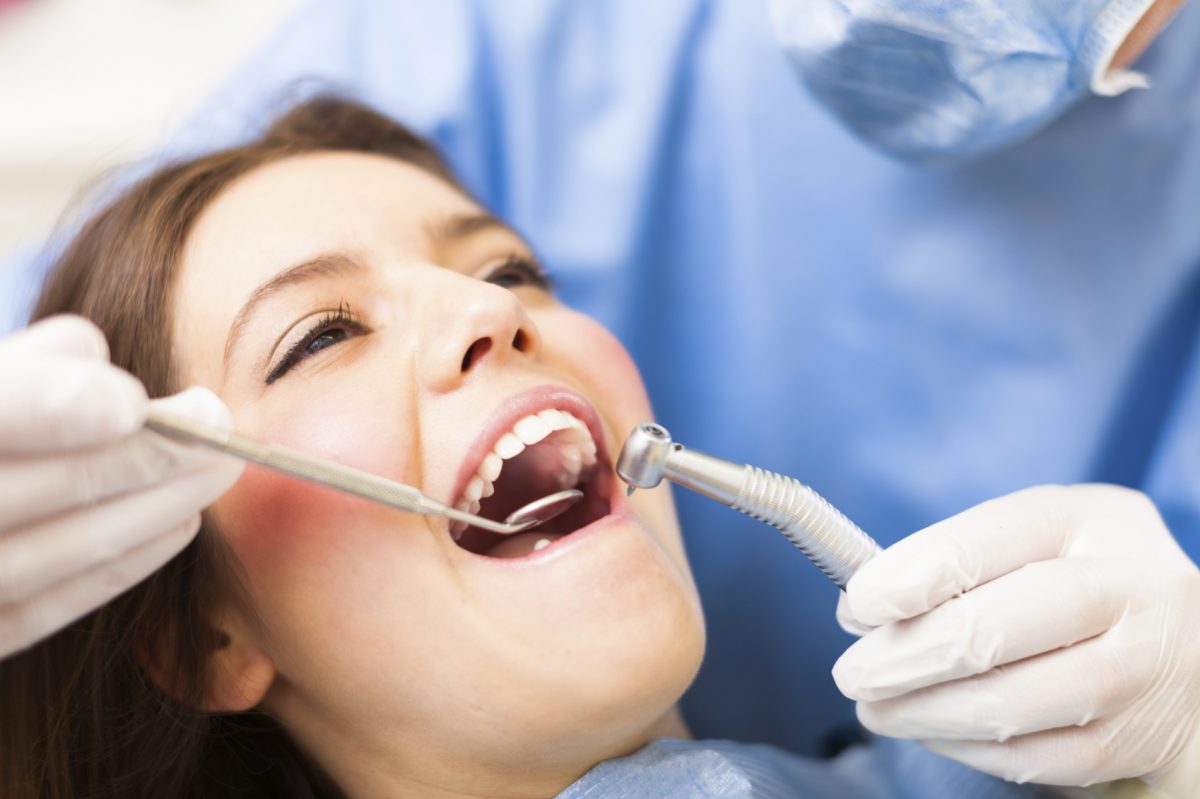
woman in dental chair having teeth looked at

The understanding and practice of oral care have undergone significant evolution with advancements in technology and scientific research, leading to improved dental treatments, diagnostics, and preventive strategies. Here’s how these advancements have shaped modern oral care:

1. Diagnostic Technology:

  • Traditional dental examinations have been enhanced by digital imaging technologies such as digital X-rays and cone beam computed tomography (CBCT). These tools provide detailed 3D images of teeth, gums, and bone structures, aiding in accurate diagnosis of dental issues like cavities, fractures, and impacted teeth.

2. Laser Dentistry:

  • Lasers have revolutionized various dental procedures by offering precise and minimally invasive treatment options. Laser technology is used for gum contouring, treating periodontal disease, performing root canal therapy, and even teeth whitening, often resulting in faster healing times and reduced discomfort for patients.

3. Minimally Invasive Techniques:

  • Advances in materials and techniques have shifted dental care towards more conservative approaches. For instance, tooth-colored composite resins are now widely used for fillings and bonding, preserving more natural tooth structure compared to traditional amalgam fillings. This approach promotes long-term dental health and aesthetics.

4. Dental Implants:

  • Dental implants have become a preferred solution for replacing missing teeth, offering superior aesthetics, function, and durability compared to traditional bridges or dentures. Advanced implant technologies, such as computer-guided implant placement and 3D-printed prosthetics, enhance precision and treatment outcomes.

5. Personalized Treatment Plans:

  • Digital dentistry tools, including intraoral scanners and CAD/CAM technology, enable dentists to create highly customized treatment plans for each patient. From designing dental restorations like crowns and veneers to planning orthodontic treatments, these technologies improve accuracy and patient satisfaction.

6. Tele-dentistry:

  • The integration of tele-dentistry allows for remote consultations, monitoring, and even treatment planning. This technology has proven especially valuable during times when in-person visits are challenging, providing patients with access to dental care and advice from the comfort of their homes.

7. Education and Prevention:

  • Improved understanding of the link between oral health and systemic health conditions, such as diabetes and heart disease, underscores the importance of preventive care. Dental professionals now emphasize patient education, encouraging habits like regular brushing, flossing, and routine dental visits to maintain oral health and overall well-being.

As technology continues to advance, the future of oral care holds promise for further innovations that will enhance treatment outcomes, patient comfort, and the overall experience of dental care. Staying informed about these advancements empowers patients and dental professionals alike to embrace modern oral care practices for healthier smiles and improved quality of life.

Schedule your appointment today. Call Dr. Katia Doumit in Ottawa, Ontario at 613-232-8000 or visit www.urbandentalcentre.com. Dr. Doumit proudly serves Ottawa and all surrounding areas.
Understanding Common Diseases and Oral Health | Ottawa Dentist

vegetables in the shape of a heart

Oral health is often perceived as separate from overall health, but the truth is that the condition of your mouth can have a significant impact on the rest of your body. The mouth serves as a gateway to your body, and maintaining oral hygiene is crucial in preventing a host of common diseases. This blog explores the intricate connection between oral health and systemic health, highlighting the importance of regular dental care.

Cardiovascular Disease

One of the most significant connections between oral health and systemic health is the link to cardiovascular disease. Studies have shown that individuals with periodontal (gum) disease are at a higher risk of heart disease. The inflammation caused by periodontal disease can lead to the development of atherosclerosis, a condition where plaque builds up in the arteries, potentially leading to heart attacks and strokes. The bacteria from gum disease can also enter the bloodstream, causing inflammation and narrowing of blood vessels, further increasing cardiovascular risk.

Diabetes

Diabetes and oral health have a bidirectional relationship. Poor oral health can make it difficult to control blood sugar levels, while high blood sugar levels can contribute to the development of gum disease. People with diabetes are more susceptible to infections, including periodontal disease, due to a compromised immune system. Conversely, severe periodontal disease can increase blood sugar levels, making diabetes management more challenging.

Respiratory Infections

Oral health can also impact respiratory health. Bacteria from the mouth can be inhaled into the lungs, leading to respiratory infections such as pneumonia, especially in individuals with compromised immune systems or the elderly. Maintaining good oral hygiene can reduce the bacterial load in the mouth, thereby decreasing the risk of respiratory infections.

Pregnancy Complications

Pregnant women with poor oral health are at a higher risk of pregnancy complications, including preterm birth and low birth weight. Inflammatory responses from periodontal disease can release harmful bacteria and inflammatory mediators into the bloodstream, potentially affecting the developing fetus. Pregnant women should prioritize dental care to ensure both their health and the health of their baby.

The connection between oral health and overall health underscores the importance of regular dental check-ups and maintaining good oral hygiene. Brushing and flossing daily, alongside routine visits to the dentist, are essential practices to prevent oral diseases that can have far-reaching impacts on your overall health. By taking care of your mouth, you’re investing in your entire body’s well-being.

Schedule your appointment today. Call Dr. Katia Doumit in Ottawa, Ontario at 613-232-8000 or visit www.urbandentalcentre.com. Dr. Doumit proudly serves Ottawa and all surrounding areas.

Kid-Friendly Ways To Form Oral Care Habits | Ottawa Dentist

little girl smiling

Helping children develop good oral care habits is crucial for their long-term dental health. Establishing these habits early can prevent cavities, gum disease, and other dental issues, setting the foundation for a lifetime of healthy smiles. This blog provides practical tips for parents to encourage and cultivate good oral care habits in their children.

Start Early

Begin oral care as soon as the first tooth appears. Gently clean your baby’s teeth and gums with a soft cloth or a baby toothbrush. This early start helps children get accustomed to the routine of dental hygiene.

Make Brushing Fun

Transform toothbrushing into an enjoyable activity rather than a chore. Use colorful toothbrushes featuring their favorite characters and let them choose their toothbrush. Play fun songs or set a timer to ensure they brush for the recommended two minutes. There are also apps designed to make brushing more interactive and engaging for kids.

Lead by Example

Children often mimic their parents’ behavior, so demonstrate good oral hygiene yourself. Brush and floss your teeth together with your child, showing them the correct techniques and making it a shared activity. This not only reinforces good habits but also creates a bonding experience.

Teach Proper Techniques

Ensure your child knows how to brush and floss correctly. Use small, circular motions to clean all surfaces of the teeth and teach them to gently brush their tongue to remove bacteria. For flossing, guide them in using a gentle sawing motion to clean between teeth.

Establish a Routine

Consistency is key to forming lasting habits. Set specific times for brushing, such as after breakfast and before bed, and stick to this routine daily. A regular schedule helps children understand the importance of oral care as part of their daily activities.

Monitor Their Diet

A healthy diet plays a significant role in oral health. Limit sugary snacks and drinks, which can contribute to tooth decay. Encourage nutritious foods like fruits, vegetables, and dairy products that strengthen teeth and gums.

Regular Dental Visits

Schedule regular dental check-ups for your child, starting around their first birthday. Early dental visits help identify potential issues and familiarize children with the dentist, reducing fear and anxiety. Your dentist can also provide additional tips and techniques for maintaining good oral health.

Positive Reinforcement

Use positive reinforcement to encourage good oral care habits. Praise your child for brushing and flossing correctly, and consider using a reward system, such as a sticker chart, to motivate them.

Helping kids develop good oral care habits requires patience, consistency, and creativity. By starting early, making the process fun, and leading by example, parents can instill lifelong dental hygiene practices in their children. Regular dental visits and a healthy diet further support these efforts, ensuring that kids grow up with healthy, happy smiles.

Schedule your appointment today. Call Dr. Katia Doumit in Ottawa, Ontario at 613-232-8000 or visit www.urbandentalcentre.com. Dr. Doumit proudly serves Ottawa and all surrounding areas.

The Key to Lifelong Oral Health | Ottawa Dentist

woman smiling up close

Routine dental visits are essential for maintaining optimal oral health and preventing dental problems before they become serious. Despite this, many people tend to neglect regular dental check-ups, often waiting until they experience pain or discomfort. Understanding the importance of routine dental visits can encourage individuals to prioritize these appointments, ensuring a healthy smile and overall well-being.

Early Detection of Dental Issues

One of the primary benefits of regular dental visits is the early detection of dental issues. Dentists can identify problems such as cavities, gum disease, and oral cancer in their initial stages when they are most treatable. Early intervention can prevent minor issues from developing into more severe and costly problems.

Professional Cleaning

Even with diligent brushing and flossing, plaque and tartar can accumulate in hard-to-reach areas of the mouth. During a routine dental visit, a professional cleaning removes these buildups, reducing the risk of cavities and gum disease. Regular cleanings also help maintain fresh breath and a bright smile.

Preventive Care

Routine dental visits are crucial for preventive care. Dentists provide treatments like fluoride applications and dental sealants, which help strengthen teeth and protect against decay. Additionally, they can offer personalized advice on proper oral hygiene practices, dietary recommendations, and lifestyle habits that promote oral health.

Monitoring Overall Health

The mouth is a gateway to overall health, and dental visits can sometimes reveal signs of systemic conditions. For example, symptoms of diabetes, heart disease, and certain infections can manifest in the mouth. Dentists are trained to recognize these signs and may refer patients to their primary care physicians for further evaluation, ensuring comprehensive health monitoring.

Cost-Effective in the Long Run

Regular dental visits can save money in the long run by preventing costly treatments for advanced dental issues. Addressing problems early through routine check-ups and cleanings is far less expensive than dealing with extensive procedures like root canals, extractions, or restorative treatments.

Building a Relationship with Your Dentist

Frequent dental visits help build a trusting relationship with your dentist. This relationship encourages open communication about any concerns or symptoms, leading to more personalized and effective care. It also helps reduce anxiety or fear associated with dental visits, making them a more comfortable experience.

Routine dental visits are a cornerstone of maintaining oral health and preventing serious dental issues. By detecting problems early, providing professional cleanings, offering preventive care, and monitoring overall health, these visits play a crucial role in ensuring a lifetime of healthy smiles. Prioritizing regular dental check-ups not only preserves your oral health but also contributes to your overall well-being, making them an essential aspect of self-care.

Schedule your appointment today. Call Dr. Katia Doumit in Ottawa, Ontario at 613-232-8000 or visit www.urbandentalcentre.com. Dr. Doumit proudly serves Ottawa and all surrounding areas.

Flossing: What to Expect When You Start Again | Ottawa Dentist

woman smiling up close

If you’ve fallen out of the habit of flossing, you’re not alone. Many people struggle to maintain a consistent oral hygiene routine. However, starting to floss again can feel daunting. Understanding what to expect can help ease you back into this essential habit and ensure your gums and teeth stay healthy.

Initial Discomfort and Sensitivity

When you first resume flossing, it’s common to experience some discomfort. Your gums may feel tender or even bleed slightly. This happens because your gums have become inflamed from plaque buildup. Don’t be discouraged; this is a sign that your gums need the extra attention. With regular flossing, the inflammation and sensitivity should decrease within a week or two.

The Awkward Learning Curve

Reestablishing the flossing habit can feel awkward at first. You might find it tricky to maneuver the floss between your teeth, especially if it’s been a while. Take your time and be gentle. Consider using tools like floss picks or water flossers, which can make the process easier and more comfortable.

Noticing the Benefits

As you continue to floss daily, you’ll start noticing significant benefits. Your breath will improve as you remove food particles and plaque that brushing alone can’t reach. Your gums will become healthier and less prone to bleeding. Flossing also helps prevent cavities and gum disease by cleaning between the teeth where toothbrushes can’t reach.

Building the Routine

Like any habit, flossing becomes easier with consistency. Set a specific time each day to floss, such as after brushing your teeth in the evening. Associating flossing with another routine activity can help reinforce the habit. You might also keep floss in visible places as a reminder, such as next to your toothbrush or in your bag for on-the-go flossing.

Overcoming Mental Barriers

The idea of flossing daily might feel overwhelming at first, but focus on the long-term benefits. Visualize the positive outcomes, such as a healthier smile and fewer dental issues. Remember, you don’t have to be perfect. Even flossing a few times a week is better than not flossing at all.

Conclusion

Starting to floss again after a hiatus can be challenging, but the benefits far outweigh the initial discomfort. With patience and persistence, flossing will soon become a natural part of your daily routine, contributing to your overall oral health and well-being. Embrace the journey, and your gums and teeth will thank you.

Schedule your appointment today. Call Dr. Katia Doumit in Ottawa, Ontario at 613-232-8000 or visit www.urbandentalcentre.com. Dr. Doumit proudly serves Ottawa and all surrounding areas.

Pediatric Tooth Loss and Regrowth: A Parent’s Guide | Ottawa Dentist

little girl smiling

Pediatric tooth loss is a natural part of a child’s dental development, but understanding the process and how to manage it can help alleviate concerns. Here’s a guide to pediatric tooth loss, regrowth, and how parents can support their child’s dental health during this phase.

Primary Tooth Loss

Primary (baby) teeth typically begin to fall out around age 6 to 7, making way for permanent teeth. This process continues until around age 12 or 13 when most children have their full set of adult teeth. The sequence of tooth loss and eruption varies, but generally follows a pattern starting with the lower front teeth.

Causes of Primary Tooth Loss

Primary teeth fall out naturally as permanent teeth develop beneath them. However, premature loss due to decay, injury, or genetics can occur. Early loss can impact the alignment of permanent teeth and may require intervention from a dentist.

Regrowth of Permanent Teeth

Permanent teeth erupt gradually, starting with the first molars behind the primary teeth. This process continues through childhood and adolescence, with the last molars (wisdom teeth) typically erupting in the late teens or early twenties.

Managing Pediatric Tooth Loss

Parents can support their child’s dental health during tooth loss and regrowth:

  • Encourage Good Oral Hygiene: Teach children to brush twice daily with fluoride toothpaste and floss regularly.
  • Monitor Development: Keep track of tooth eruption patterns and address any concerns with a pediatric dentist.
  • Healthy Diet: Provide nutritious foods to support dental development and overall health.
  • Regular Dental Check-ups: Schedule routine visits to monitor tooth development, detect any issues early, and receive preventive care.

When to Seek Dental Care

If a primary tooth is lost prematurely or due to injury, consult a dentist. They can assess the need for space maintainers to prevent neighboring teeth from shifting and ensure proper alignment for incoming permanent teeth.

Understanding pediatric tooth loss and regrowth helps parents navigate this natural process while promoting good oral health habits. By staying informed and proactive, parents can help their children maintain healthy smiles as they transition from primary to permanent teeth. Regular dental care plays a vital role in ensuring optimal dental development and addressing any issues promptly.

Schedule your appointment today. Call Dr. Katia Doumit in Ottawa, Ontario at 613-232-8000 or visit www.urbandentalcentre.com. Dr. Doumit proudly serves Ottawa and all surrounding areas.